

How to Build a Professional Espresso Machine
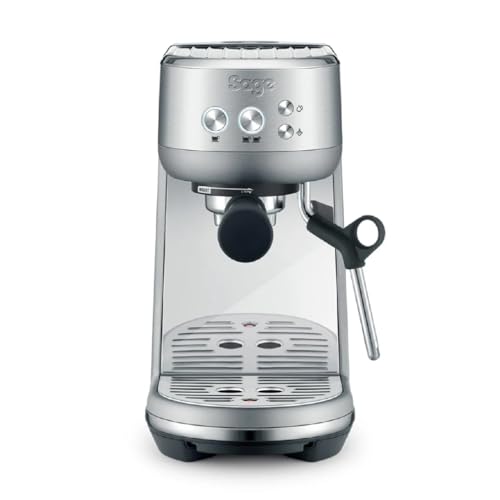
This is a fantastic option for cafes and coffee shops who want to attract customers who are passionate about espresso and barista skills. It's the official machine for World Barista Championships and it really does show.
It is equipped with a reservoir of water to ensure that the barista only needs to refill it throughout their shift. The machine also comes with steam wands that cool-touch as well as a hot water tap for tea.
Water
A commercial espresso machine is required to create a huge amount of espresso-based drinks in an efficient manner. That's why these machines are generally constructed from stainless steel which is more durable and resistant to scratches and break. Stainless steel espresso machines also make it easier to clean and maintain.
A good machine has a shut-off valve for the water line, to prevent the buildup of limescale. This will ensure that any repairs are limited to affected components of the machine, and will not affect the rest of your operation.
Check your water and make sure it's being treated correctly. For instance the distilled water can be recycled by adding a small amount of minerals back to it. It can enhance the taste of the water and eliminate its erosive characteristics, but can also damage certain machines. This is because the remineralized liquid will cause the boiler sensor to think that the machine is fully stocked, but it is not. This could cause the machine to overheat and cause damaged.
Grinder
The grinder is an essential element for an espresso machine that is successful. The grinder transforms an unground, raw coffee bean into a finely ground coffee that can be tamped properly into the filter basket for an efficient extraction.
Professional espresso machines of commercial grade typically have a built-in grinding unit that can be programmed to grind for various sizes of drinks, providing consistent results each time. Super-automatic machines go a step further and automate the entire process from brewing through grinding and dispensing. These machines are often praised in Lab tests for being easy to use.
A semi-automatic or manual espresso machine requires more involvement by the barista, but the quality of the end result is often worth it. This model won a 2022 Good Housekeeping Coffee Award for its intelligent dosing system that weighs and dispenses the right amount of ground coffee each time. It also comes with a low pressure pre-infusion for well-balanced extraction, as well as a milk frother that produced thick, rich steamed milk in our tests.
Temperature
Temperature is a major element in espresso. If the water temperature isn't at a good level, it could cause extraction to be hindered and even result in bitter coffee.
Fortunately, high-quality espresso machines have tools that allow you to keep your water at the correct temperature. One way to do this is by using a PID, which monitors and adjusts the temperature of the water. Double boiler systems are another way to do this. One boiler can be used to heat water and steam for tea, and use another to heat water to brewing temperature.
Carles mentions that these systems can make a big difference for large corporations as well as home baristas. They can aid novices get the perfect espresso drink because they maintain the exact temperature and prevent various variables that can alter the flavor of the flavor. It also makes it easier for experienced baristas to create their shots exactly the way they want them.
Pressure
The pressure an espresso maker employs is another factor that affects the quality of the coffee it produces. Many espresso drinkers have noticed that their drinks taste different based on the amount of pressure that is used, even though all other elements remain the same.
In general, commercial grade machines utilize nine bars of pressure to make espresso. These machines are also more likely to be steam driven than pumps driven. While there are higher-pressure machines however, they typically require a more sophisticated group head design to handle the increased pressure levels.
While some espresso machines advertise 15 or 18 bars of pressure in their machines 9 bars are typically considered to be the standard for making consistently great espressos. These machines with higher pressure are typically less expensive and designed for use at home.
To put 9 bars of pressure in perspective, it's nearly four times the pressure that is exerted by the air inside your car tire. The more pressure that an espresso maker with professional quality can apply, the better it will be at separating flavor from the coffee beans you love. It's worth investing in high-quality machines that can give the highest quality results.
Barista Skills
A barista should be able take orders and process them quickly and precisely. This is particularly crucial during busy times at the coffee shop. Good customer service skills are crucial to build relationships with customers and increasing the sales of the coffee shop. This could include recognizing regular customers, working to resolve issues quickly and remaining positive and friendly even in challenging situations.
Being able to multitask is often required for baristas as they might be required to take orders, operate the cash register and communicate orders to colleagues and take phone calls simultaneously. This ability allows orders to be moving quickly to the customer and gives them a pleasant experience in the coffee shop.
It is vital that a barista's skills are developed to be able to prepare various drinks using an espresso machine. You can find out about the various kinds of espresso by reading about their characteristics, tasting them in person, or watching online videos. Many baristas find it helpful to take classes offered by various organizations.